PROJET (BSG GRANDE BRETAGNE - ligne de conduite pour les réseaux sociaux )
Le document sur les réseaux sociaux sera seulement discuté à la prochaine Conférence britannique à York en avril 2012. Il sera distribué (après le 22 avril), s'il est approuvé !
Traduction :
Conseils & Suggestions pour la sécurité sur Internet
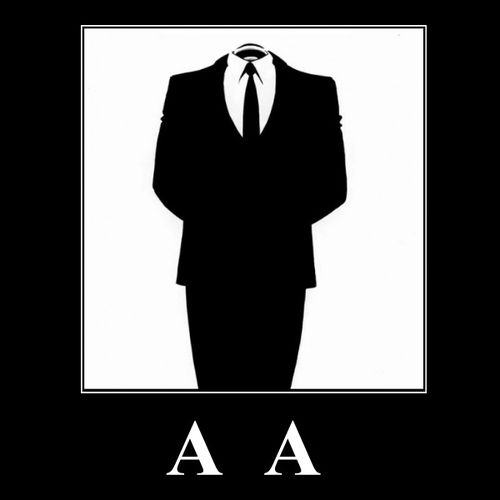
Les Alcooliques Anonymes n'endossent ni ne s'opposent à l'utilisation de réseaux sociaux.
Nous réalisons cependant les dangers qui peuvent se produire avec la violation de l'anonymat sur Internet dans ces réseaux et avons produit une brochure de "conseils et suggestions" pour la sécurité des membres AA. Les sites Web de réseaux sociaux sont publics par nature.
Bien que les utilisateurs créent des comptes, emploient des noms d'utilisateur et des mots de passe, une fois sur le réseau, c'est un milieu public où des membres AA aussi bien que des non-AA se mêlent. Aussi longtemps que les individus ne s'identifient pas comme membres AA, il n'y a aucun conflit d'intérêt.
Cependant, si vous vous dévoilez comme membre AA en donnant vos nom et prénoms ou quelque chose de similaire, comme une photographie de face, ce serait contraire à l'esprit de la 11e Tradition qui dit : "Nos relations avec le grand public devraient se caractériser par l'anonymat personnel. Nous pensons que les AA devraient éviter la publicité à sensation. Nos noms et nos photos nous identifiant comme membres AA ne devraient jamais être diffusées sur les ondes ou dans des films ou des écrits publics. Nos relations publiques devraient être guidées par l'attrait plutôt que celui de la réclame. Il n'y a jamais lieu de se vanter. Nous croyons qu'il est beaucoup plus profitable de laisser ce soin à nos amis".
1. Il est recommandé de ne lier aucun groupe avec Alcooliques Anonymes ou AA mentionné dans son nom, même s'il y a "disclaimer" du site (NDT : avis de non-responsabilité du site relatif au contenu)
2. Il est recommandé de ne pas révéler que vous êtes un membre de AA. Si vous choisissez de rejoindre un groupe de personnes en rétablissement, parlez-en termes généraux du rétablissement, des étapes, etc.
3. Il est recommandé de ne pas poster un message sur le "mur" de quelqu'un à propos des réunions, de la sobriété ou de AA.
4. Il est recommandé de ne pas publier de photos de fonctions de AA, sauf si vous avez la permission des personnes qui s'y trouvent, et après vous être assuré que ces images seront seulement visibles par vos amis de la Fraternité.
5. vous choisissez de briser votre anonymat dans votre page profil, veuillez vous assurer que la page est accessible seulement à vos amis et non au grand public.
6. créant un événement lié à AA, sur un site, veuillez vous assurer qu'il est privé, de sorte que des invités ne voient pas, s'ils décident d'être présents, leur anonymat dévoilé. Faites une liste cachée des invités à un événement lié à AA.
7. Soyez prudent de ne pas divulguer des détails personnels comme numéro de téléphone ou de portable, adresse privée ou e-mail, à des personnes que vous venez seulement de rencontrer en ligne, même s'ils vous paraissent sincères.
8. Soyez conscient que des données personnelles peuvent être récupérées si vous acceptez des invitations de personnes qui peuvent ne pas être au courant de votre participation aux AA.
9. Il faudrait se rappeler que beaucoup de réseaux sociaux se connectent par interface aux carnets d'adresses e-mail et à d'autres équipements du réseau. Les réseaux sociaux peuvent, et font souvent des modifications dans leur structure sous-jacente, pour diverses raisons qui sont, par nature, commerciales.
Ces changements peuvent modifier les critères de confidentialité existants ou les remettre à zéro, au niveau "par défaut", lequel peut être plus ouvert que le titulaire de compte ne le voudrait et, si AA est compris dans une partie de votre adresse ou votre nom, cela peut, par distraction, indiquer votre adhésion et celle d'autres personnes figurant dans votre carnet d'adresses.
10. Si vous n'êtes pas certain quant au fonctionnement d'Internet et particulièrement des réseaux sociaux, il est recommandé de demander à quelqu'un de vous l'expliquer.
-
DRAFT social networking guidance pamphlet
The document is to be discussed at conference this year, and if it is passed will be available for distribution.
Hints & Suggestions on Internet Safety
Alcoholics Anonymous neither endorses nor opposes the use of social networking sites.
We do however realise the dangers that can occur with the breaching of anonymity on the internet within these sites and have produced a “hints and suggestions” pamphlet for the safety of AA members. Social networking web sites are public in nature.
Though users create accounts and use usernames and passwords, once on the site, it is a public medium where A A members and non-A As mingle. As long as individuals do not identify themselves as A A members, there is no conflict of interest.
However, revealing yourself as an AA member using your full name and or a likeness, such as a full-face photograph, would be contrary to the spirit of the Eleventh Tradition which reads: “Our relations with the general public should be characterised by personal anonymity. We think AA ought to avoid sensational advertising. Our names and pictures as AA members ought not to be broadcast, filmed or publicly printed. Our public relations should be guided by the principle of attraction rather than promotion. There is never need to praise ourselves. We feel it better to let our friends recommend us.”
1. It is advisable not to join any group with Alcoholics Anonymous or AA in its name, even if there is a disclaimer.
2. It is advisable not to disclose that you are a member of AA. If you choose to join a group for people in recovery, talk in general terms about recovery, steps, etc.
3. It is advisable not to post a message on someone’s “wall” about meetings, sobriety or AA.
4. It is advisable not to publish pictures from AA functions unless you have the permission from the people in them, and then ensure that these pictures are viewable by your friends in the Fellowship only.
5. If you choose to breach your anonymity on your profile page, please ensure the page is accessible only to your friends and not to the general public.
6. When creating an AA - related event on the site, please ensure that it is private so that invitees don’t have their anonymity broken if they decide to attend. Make the guest list of an AA - related event hidden.
7. Please be careful not to divulge personal details i.e., landline or mobile phone number, home address or email address to people you have only just met online no matter how genuine they may seem.
8. Be aware that personal privacy settings can unwittingly be removed when accepting add-ons from persons who may not be aware of your involvement in AA.
9. It should be remembered many social network sites interface with email address books and other network facilities. Social networking sites can, and often do, change their underlying structure, for various reasons that are usually commercial in nature.
These changes can overwrite existing privacy settings or reset them, to a "default" level which may be more open than the account holder would like and if AA is included in any part of your address or name can inadvertently reveal your membership and that of others in your address book.
10.If you are not sure on the workings of the internet and especially social networking sites, it is advisable to ask someone to explain it to you.
Voir aussi http://0z.fr/ruLNC